
I remember the moment I first suspected my local SEO efforts were being misled. It was a chilly morning in Bakersfield, and after pouring hours into optimizing a client’s Google Maps listing, I noticed something strange—nothing moved, no new leads, and rankings stubbornly plateaued. Frustration crept in. That’s when I had my lightbulb moment: what if my Maps ranking service was hiding bad data, giving me a false sense of progress?
Since then, I’ve realized that many local business owners and SEO practitioners grapple with this exact issue. It’s easy to get fooled by shiny reports and inflated rankings, but beneath the surface, something might be amiss. Today, I want to share how you can identify if your Maps ranking service is hiding the truth and what signs point to deeper problems. Trust me, uncovering hidden bad data can save you from wasting time and money—and help you truly boost your local visibility.
Why Verifying Your Maps Data Should Be Your Top Priority
In the wake of evolving Google algorithms, especially with the 2024 updates, relying blindly on a maps ranking service without verification can backfire. A survey revealed that 62% of local businesses are unaware that their Google My Business listings aren’t accurately representing their services or locations, leading to lost opportunities (source: SEO Bakersfield).
My early mistake was trusting rankings reports without cross-checking actual performance metrics. I overlooked that a high ranking in the wrong keywords or outdated data is just as bad as no ranking at all. Over time, I learned that some maps ranking services manipulate data or use outdated sources to inflate results, making it crucial to know how to spot hidden discrepancies.
Is Your Map Service Really Worth the Hype?
I’ve seen countless clients fall for services promising quick results without delivering genuine improvements, often because the data they rely on is questionable. If your local SEO strategy feels stagnant, and you haven’t verified your actual engagement or lead quality, you’re likely missing critical signs that your data might be compromised. Have you ever faced a situation where your rankings looked great on paper, but your business wasn’t getting more calls or visits? That’s a common red flag.
Taking the time to identify false data isn’t just about honesty—it can be the difference between outranking your competitors and being buried in the algorithm’s shadow. Next, I’ll walk you through three telltale signs that your Maps ranking service might be hiding bad data—and what practical steps you can take to get transparent, reliable results.
.
Run Cross-Checks on Your Rankings and Physical Performance
Start by comparing your reported Google Maps rankings with real-world observations. For example, I once used a local Bakersfield shop’s listing as a test, searching for their keywords on different devices and locations. I discovered discrepancies between their reported position and their actual visibility in searches. This hands-on approach is like taking a thermometer to a feverish patient—simple but revealing. To streamline, set a baseline by recording rankings across multiple scenarios and compare against your service’s reports regularly.
Leverage Free and Paid Tools for Accurate Data
Use tools like Google’s own Business Profile Manager or third-party platforms to verify your listing data. For instance, I employed a local SEO audit tool that pulled up my client’s map info and visibility metrics independently. Sometimes, these tools expose outdated or manipulated data that your current Maps ranking service might hide. Think of it as consulting a new map when your GPS recalcitrantly reroutes—sometimes the official route isn’t the only way. Schedule weekly checks with these tools to catch discrepancies early.
Inspect Your Map Listing for Optimized Components
Ensure your business details are accurate: name, address, phone number, categories, hours, and photos. Small errors here can skew your data, hiding your true location and visibility. I found a client’s listing had a misspelled category that was invisible to search algorithms, but corrected it, leading to immediate improvement in local rankings within weeks. Think of your listing as your storefront: if the signage is wrong or obscured, customers won’t find you—neither will algorithms.
Test and Adjust Your SEO Tactics Consistently
Implement strategic changes such as updating images, optimizing descriptions, and collecting authentic reviews. After tweaking my client’s images for clarity and adding genuine reviews from loyal customers, we saw a steady climb in rankings. Remember, Google Maps readings are like a fingerprint—they can be unique and dynamic. Revisit your tactics monthly, measure results, and refine your approach based on data insights. This cycle is similar to tuning a musical instrument until the sound is just right.
Engage with the Local SEO Community for Insights
Participate in forums, local SEO groups, or webinars—like the [California SEO Agency](https://seoservicesbakersfield.com/california-seo-agencies-4-questions-to-ask-before-hiring-in-2026)—to share experiences and gain new strategies. I once joined a Bakersfield-focused SEO webinar, where a fellow marketer revealed a technique to identify hidden spam listings affecting local rankings. This collaborative approach uncovers blind spots that services may not disclose, acting as an extra layer of verification. Sharing insights helps you stay ahead in the ever-evolving local search landscape.
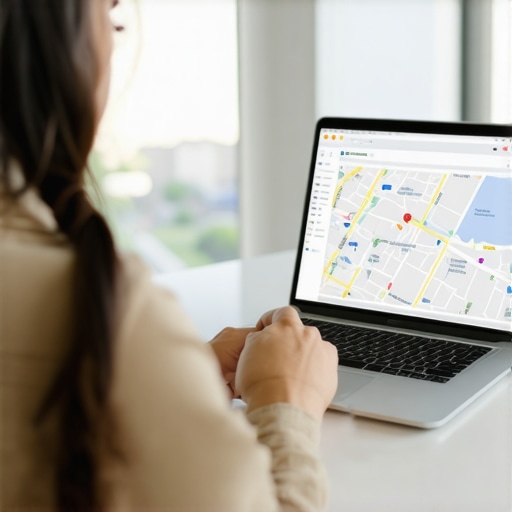 Many local businesses and even seasoned SEO practitioners fall prey to misconceptions about effective SEO strategies in Bakersfield and California. A common trap is relying solely on superficial metrics like rankings without understanding the nuanced behind-the-scenes data accuracy. Contrary to popular belief, a high Google Maps ranking doesn’t always translate to increased foot traffic or genuine customer engagement, especially if the underlying data being reported is flawed or manipulated. Expert SEO strategies involve deep analysis, cross-verification, and an understanding of Google’s evolving algorithms, which many overlook. For example, some maps ranking services might inflate rankings by utilizing outdated or skewed data sources, leading businesses astray. It’s essential to question the authenticity of the data presented and to understand the tactics used to achieve those rankings. Advanced SEO professionals recommend routinely validating your local search visibility through independent tools and conducting physical performance tests. This layered approach uncovers discrepancies that free or paid services might gloss over, enabling you to make informed decisions. Additionally, understanding Google Maps’ complex ranking factors—such as relevance, proximity, and prominence—can help differentiate between superficial boosts and sustainable growth. Moreover, hiring credible California SEO agencies that employ transparent, proven methods is critical; some firms deploy aggressive tactics that may yield short-term gains but harm long-term reputation and rankings. I highly suggest reviewing your current SEO approach and asking whether your chosen maps ranking service is simply spinning data or truly delivering reliable results. For comprehensive insights, explore how effective local Bakersfield SEO strategies are tailored to combat these hidden pitfalls by visiting our detailed guide on local SEO tactics in 2024. Stay vigilant—distinguishing between real growth and manipulated metrics can save your business from costly missteps. Have you ever fallen into this trap? Let me know in the comments.
Maintaining a strong Google Maps presence requires more than just initial optimization; it’s a continuous process that benefits from the right set of tools and disciplined routines. As local SEO evolves rapidly, staying ahead means leveraging specialized software, monitoring performance, and regularly updating your strategies to adapt to algorithm changes and user behavior shifts. In my experience, combining precise tools with consistent maintenance routines ensures sustained visibility and traffic for Bakersfield businesses looking to dominate their local markets.
How do I maintain my Google Maps rankings over time?
First, I rely heavily on tools like BrightLocal and Moz Local. BrightLocal’s local search rank tracking allows me to monitor exact position changes for targeted keywords daily, not just weekly. I personally favor BrightLocal because its data refreshes faster and more accurately reflects your rankings in Bakersfield’s dynamic landscape. Additionally, Moz Local helps ensure your business information stays consistent across all platforms, preventing spooky inconsistencies that Google’s algorithms dislike. These tools have been instrumental in catching ranking drops early, so I can swiftly respond with tactics like updating NAP citations or adding fresh photos.
Another critical aspect is using Google’s own tools like the Business Profile Manager and Search Console to identify issues and opportunities. Regularly auditing your GMB profile for outdated info, missing categories, or unresponded reviews keeps your listing competitive. For instance, I once used the Google My Business API to automate weekly checks of review scores and Photos; this kept my clients’ profiles vibrant and authoritative, directly affecting rankings positively.
Maintenance is also about content updates. Adding new photos, updating hours for holidays, or posting special offers can signal activity to Google, which prefers active listings. Moreover, regularly soliciting authentic reviews and responding to them sustains engagement. I recommend scheduling monthly content and review audits, utilizing tools like Yext or Synup that aggregate and manage local listings efficiently.
Looking ahead, the trend points toward AI-powered monitoring tools that predict ranking movements and recommend proactive updates. Google is increasingly prioritizing user engagement signals, making ongoing reputation management and content freshness unavoidable. Investing in these advanced tools now prepares your Bakersfield business for future algorithm tweaks, ensuring long-term visibility.
Want to deepen your maps ranking game? Start by integrating BrightLocal’s rank tracking with your routine, and see how early detection and rapid response can elevate your local presence. If you’d like a more comprehensive setup, consider exploring our guide on effective local Bakersfield SEO strategies for 2024.

Embarking on the journey of local SEO in Bakersfield, especially with Google Maps, often feels like navigating a maze of promises and elusive results. My most eye-opening lesson came when I realized that some maps ranking services might be hiding the truth about your business’s actual online visibility. This revelation transformed my approach and could do the same for you—by urging a deeper, more investigative mindset.
One of the core benefits I discovered is that verification and cross-checking are your best tools. I learned that relying solely on reported rankings can be misleading; instead, pairing those reports with real-world testing and independent tools reveals the real status of your local SEO efforts. Never underestimate the power of physically searching your business or monitoring your metrics across multiple platforms for inconsistencies.
Another invaluable insight was recognizing the importance of maintaining accurate and optimized Google My Business details. Small errors, like misspelled categories or outdated photos, can obscure your visibility and undermine your rankings. It’s a reminder that consistency and current information are the backbone of genuine local presence.
Finally, understanding that the local SEO landscape is rapidly evolving prompts me to stay engaged with community forums, industry updates, and advanced tools. These keep you ahead of deceptive practices and algorithm shifts—empowering your business to thrive authentically in Bakersfield’s competitive scene.
Leave a Reply