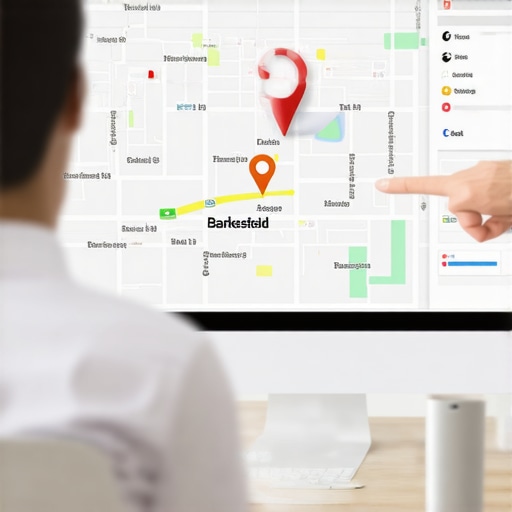
One sunny morning, I sat in my shop, watching potential customers pass by without a single glance at my storefront. Frustration crept in as I realized that despite having a great service, I was invisible on Google Maps. Registering my business was easy, but showing up just steps away from my competitors? That was a whole different game.
Why Local SEO Matters More Than Ever
If you’ve ever felt the sting of seeing your competitors pop up first on Google Maps while your business stays hidden, you’re not alone. I used to think that having a website was enough. But then I learned that over 70% of consumers visit a store within five miles of their location, often relying on local searches to find what they need. According to BrightLocal, businesses that optimize their Google Maps presence see an average of 50% more foot traffic. That was my lightbulb moment. I realized that local SEO, especially for Google Maps, is a game-changer for small businesses trying to thrive in Bakersfield.
But here’s the catch — I made some rookie mistakes early on that almost cost me the visibility I desperately needed. Trust me, I’ve been there. And if you’re struggling with your own Google Maps rankings, know that there’s a proven strategy to turn this around.
Will investing in Maps Optimization really make a difference?
I doubted it at first. Like many, I thought a few keywords and some reviews would do the trick. However, I overlooked crucial elements—like consistent NAP (name, address, phone number) info and proper category selection. This mistake kept my listing from ranking higher. Later, I discovered effective local Bakersfield SEO strategies that actually work, like optimizing my Google My Business profile and building local citations. For practical tips, I recommend checking out these map ranking strategies.
So, if you’re tired of being overshadowed by competitors, let’s explore how you can optimize your Google Maps presence and get noticed by your local customers. Ready to dive in?
Optimize Your Google My Business Profile Like a Pro
My first move was claiming and verifying my Google My Business (GMB) listing. I ensured all information was accurate, consistent, and complete—double-checking my name, address, and phone number (NAP). I uploaded high-quality photos of my storefront and services, which helped my listing appear more trustworthy. I also selected the most relevant categories, avoiding generic ones that dilute relevance. Remember, a well-optimized GMB profile is the foundation of local map rankings.
Keep NAP Consistent Across All Listings
I realized inconsistency in my NAP across directories was hurting my rankings. I audited every local citation and ensured my information matched exactly—no discrepancies in spelling or formatting. It’s like making sure your ID matches your bank account; inconsistency sends confusing signals to Google. For a comprehensive list of citation sources, check out these citation strategies.
Build Local Citations and Backlinks
I started creating citations on reputable local directories: Yelp, Bing Places, and industry-specific sites. I prioritized sites with high domain authority to pass more trust to Google. Each citation included consistent NAP info and a link to my website. Simultaneously, I reached out to local blogs and Bakersfield-based news outlets for backlinks. Think of backlinks as endorsements from trusted neighbors—more of them, especially local ones, boost your visibility.
Leverage Reviews to Increase Authority
Encouraging satisfied customers to leave reviews became my secret weapon. I asked politely after service, providing direct links for convenience. Positive reviews not only enhance reputation but also impact rankings because Google sees them as signals of quality and trustworthiness. I responded promptly to reviews, addressing negative ones professionally—showing Google that I care about customer experience, which can further boost my local relevance. For more review tips, explore these review strategies.
Utilize Local Content and Keywords Effectively
On my website, I incorporated Bakersfield-specific keywords into blog posts and service descriptions. For example, I wrote about local events and community involvement, which resonated with Google’s local relevance algorithms. I also added location-specific schema markup to my website’s code—this structured data helps Google understand my location context. Think of schema as a digital billboard that tells Google, “Hey, I’m right here, serving Bakersfield.” When I started doing this, I saw a noticeable jump in local search visibility.
Create Consistent Content That Connects
Sharing stories about Bakersfield, customer success stories, and community participation kept my brand top of mind and helped me earn local backlinks naturally. Search engines love fresh, relevant content that engages the community. This link building, combined with keyword optimization, makes your business more prominent on Google Maps.
Monitor and Adjust Your Strategy Regularly
I made it a habit to review my Google Maps Insights and track rankings monthly. If I noticed certain keywords dropping or reviews stagnating, I adjusted accordingly—adding new content, optimizing existing listings, or seeking more reviews. Continuous monitoring guaranteed I stayed ahead of local competitors in Bakersfield. For ongoing success, I recommend using tools and strategies outlined in these optimization tips.
Many businesses believe that simply optimizing their Google My Business profile or building a few citations guarantees top rankings on Google Maps. However, this isn’t the full picture. In my experience working with California SEO agencies and local Bakersfield SEO experts, I’ve seen a pervasive myth that more backlinks alone will skyrocket your local visibility. The truth is, Google’s local algorithms are far more nuanced; they prioritize user engagement signals, relevance, and proximity in a complex interplay that can be easily misunderstood. Relying solely on basic tactics like keyword stuffing or over-reliance on automating reviews can backfire, leading to penalties or stagnant rankings. The real secret lies in a holistic approach—balancing technical SEO, community engagement, and reputation management. Don’t fall into the trap of thinking that a quick fix will suffice, as Google continually updates its local ranking factors. For advanced tips that go beyond these common shortcuts, check out these expert strategies. Also, avoid the misconception that local SEO is a one-time setup; ongoing optimization is key, especially with frequent algorithm updates. Many business owners overlook the importance of tracking user interaction metrics like clicks, calls, and directions, which are now integral to rankings. It’s a mistake to ignore the insights from Google Maps Insights, as they reveal what strategies are truly effective in your niche. Remember, building local authority isn’t just about citations—it’s about creating meaningful community connections and providing exceptional local value. Do you ever get overwhelmed by conflicting advice online? Let me know in the comments! To truly master local map rankings, consider partnering with the right Bakersfield SEO specialists, as their tailored approaches yield measurable results. For comprehensive tactics, explore these proven methods.
Tools I Recommend for Lasting Success
Maintaining high Google Maps rankings requires more than just initial optimization; consistency and proper tools play a crucial role. I personally rely on advanced software like BrightLocal to track local citations and review profiles regularly. Its detailed reporting helps me identify inconsistencies or drop-offs before they impact my rankings. Additionally, I use Moz Local to manage my business listings across various directories, ensuring NAP consistency—this is vital because even small discrepancies can hurt your visibility, as confirmed by Moz’s 2023 Local SEO study. Here’s the latest on Moz Local’s capabilities.
Another tool I swear by is BrightEdge, which offers comprehensive keyword tracking and helps me understand how my local SEO efforts translate into actual visibility. These insights allow me to refine my strategies effectively. Furthermore, leveraging Google’s own Search Console provides valuable data on how users find my business, revealing areas for improvement and helping me tailor local content that resonates with the Bakersfield community.
The Future of Map Optimization and Continued Growth
Looking ahead, I predict that artificial intelligence and automation will become even more integral to maintaining a competitive edge. Tools that can automatically audit listings, monitor reviews, and optimize content based on local search trends—like SEMrush’s local SEO toolkit—will save time and boost accuracy. Staying updated with evolving algorithms, such as Google’s recent local ranking adjustments outlined in the Google Places API documentation, is essential.
How do I maintain my rankings as algorithms evolve?
Consistent monitoring is key. Regularly review your Google Maps Insights to understand user behavior and engagement metrics. Adjust your profile, solicit reviews proactively, and keep content fresh by sharing local stories or community involvement. Automating these processes with tools like EdgeRank or Local Viking can help maintain momentum, ensuring your business stays prominent in Bakersfield’s competitive local landscape.
Remember, ongoing effort beats one-time fixes—search engines reward businesses that demonstrate continuous community engagement and reputation management. Don’t hesitate to experiment with new strategies or tools like these advanced optimization tactics. Incorporate automation where possible, but always ensure your local presence authentically connects with your community. By doing so, your visibility on Google Maps will not only be maintained but will continue to grow in the long run.
The Unexpected Truths About Local SEO Success
One of the most profound lessons I learned was that local SEO isn’t just about keywords and citations; it’s about cultivating genuine community trust. I once believed that boosting my ratings solely depended on reviews, but I soon realized that consistent engagement and authentic storytelling about Bakersfield’s vibrant culture created a stronger, more sustainable presence. Another shocker was understanding the power of data analysis—tracking user interactions like clicks and directions gave me real insights that no fancy plugin could replace. Finally, I discovered that ongoing education is vital—Google’s algorithms evolve, and staying informed is essential to maintaining top rankings. These revelations transformed my approach from transactional to relational, ensuring long-term growth in Bakersfield’s competitive local market.
Leave a Reply