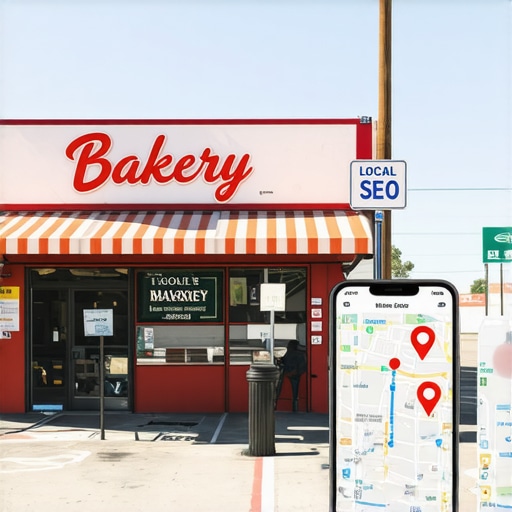
My Journey into Google Maps Optimization: A Personal Perspective
As a local business owner in Bakersfield, I vividly remember the moment I realized how crucial Google Maps is for attracting nearby customers. One day, I was chatting with a fellow entrepreneur who shared how their business suddenly saw a surge in foot traffic after optimizing their Google My Business profile. Inspired, I decided to dive into the world of local SEO and Google Maps optimization.
Initially, I felt overwhelmed by all the advice out there. But over time, I discovered some effective strategies that truly made a difference. Today, I want to share my personal experience with top Google Maps optimization tips that can help any Bakersfield business improve its local SEO rankings and visibility.
Why Local SEO and Google Maps Matter More Than Ever
Google Maps isn’t just a way for customers to find your location; it’s a powerful tool that can significantly boost your local search presence. According to authoritative sources like SEOServices Bakersfield, optimizing your Google My Business profile is essential for appearing in local pack results and attracting nearby customers.
In my experience, businesses that neglect Google Maps risk losing out on valuable local traffic. That’s why I’ve prioritized implementing proven optimization strategies that deliver real results.
My Go-To Google Maps Optimization Strategies
How Do I Make My Business Stand Out on Google Maps?
One of the first things I did was ensure my profile was complete and accurate. This includes adding high-quality photos, detailed descriptions, and up-to-date contact information. I also emphasized local keywords naturally within my business description, such as “Bakersfield bakery” or “local coffee shop in Bakersfield,” to improve relevance.
Another game-changer was encouraging satisfied customers to leave reviews. Positive feedback not only boosts credibility but also enhances local search rankings. I learned that responding to reviews promptly shows engagement and builds trust.
Additionally, I focused on consistent NAP (Name, Address, Phone Number) citations across various online directories, which Google uses as trust signals.
What Are The Hidden Gems in Google Maps Optimization?
Beyond the basics, I discovered that regularly posting updates and offers on my Google My Business profile kept my listing active and engaging. This also signals to Google that my profile is active, which can influence rankings.
Furthermore, I optimized my website for local SEO, ensuring it was mobile-friendly and included embedded Google Maps for easy navigation. Internal linking to my Google My Business profile also helped reinforce my local presence.
Why Is Consistency Critical in Local SEO?
From my experience, consistency across all listings and profiles builds trust with Google. It’s like telling Google, “Hey, I’m here, and I’m reliable.” For more insights, I recommend reading this comprehensive guide on effective Google Maps strategies.
If you’re serious about boosting your Bakersfield business’s visibility, I encourage you to share your experiences or ask questions in the comments below. We can all learn from each other’s journeys!
Harnessing Local Search Signals for Maximum Impact
Building on foundational practices, savvy Bakersfield business owners understand the importance of leveraging local search signals to enhance their visibility. This involves optimizing not only your Google My Business profile but also ensuring your website and online presence align perfectly. Implementing schema markup, such as LocalBusiness schema, helps search engines better understand your business details, leading to richer search results. Additionally, maintaining citations across reputable directories with consistent NAP information reinforces your local authority.
Furthermore, actively managing your online reputation by responding thoughtfully to reviews demonstrates engagement and professionalism. This, coupled with encouraging satisfied customers to share their experiences, amplifies trust and credibility. Integrating these signals creates a comprehensive local SEO ecosystem that Google recognizes and rewards, resulting in improved rankings and increased foot traffic.
What Are The Nuances of Google Maps Ranking Factors?
Google Maps ranking isn’t solely dependent on profile optimization; it involves a complex interplay of factors. For instance, proximity is a significant factor—your business’s physical distance from the searcher—but relevance and prominence are equally critical. Relevance pertains to how well your profile matches the search query, which can be fine-tuned by incorporating targeted keywords naturally into your business description and services. Prominence, on the other hand, is influenced by your overall online reputation, backlinks, and review quantity and quality.
To navigate these nuances effectively, consider implementing local link-building strategies and engaging with your community through local events or sponsorships. These activities generate valuable backlinks and local mentions, boosting your prominence in Google’s local ecosystem. For a detailed breakdown of ranking factors, consult trusted industry sources like this authoritative guide.
Can You Leverage Content Marketing to Strengthen Local SEO?
Absolutely. Creating locally relevant content not only attracts potential customers but also signals to Google that your business is a vital part of the Bakersfield community. Consider publishing blog posts about local events, customer success stories, or community initiatives. Embedding Google Maps and local keywords within your content can improve relevance and drive traffic. Additionally, sharing this content on social media platforms enhances engagement and brand awareness, which indirectly benefits your Maps ranking.
For example, a bakery might blog about a recent community bake sale, including photos, local keywords, and a map of the event location. Such content bolsters your local relevance and encourages backlinks from other local sites, creating a virtuous cycle of visibility and authority.
What Advanced Tools and Analytics Can Help Refine Your Google Maps Strategy?
Utilizing advanced analytics tools like Google Business Profile insights, Google Search Console, and third-party local SEO software can provide valuable data on how users find and interact with your listing. Analyzing search queries, customer actions, and review trends helps identify areas for improvement. Moreover, tracking your local rankings across different keywords and locations allows you to measure the effectiveness of your optimization efforts over time.
Consistent monitoring and tweaking based on data insights ensure your Google Maps strategy remains dynamic and competitive. If you’re eager to elevate your Bakersfield business further, exploring comprehensive local SEO services can offer tailored solutions that integrate all these advanced tactics seamlessly. Share your experiences or ask questions below—let’s build a thriving local business community together!
Delving Into the Nuances of Google Maps Ranking: My Personal Insights
Over the years, as I immersed myself deeper into local SEO, I began to realize that Google Maps ranking isn’t just about ticking off a checklist but understanding a complex ecosystem of factors. One aspect that particularly intrigued me was how Google personalizes results based on user behavior and preferences. For instance, I noticed that my own business sometimes ranked higher on certain devices or locations, which made me wonder about the underlying influence of user signals and engagement metrics.
This led me to explore more sophisticated strategies, such as leveraging user interactions and behavioral data to enhance my listing’s prominence. I learned that encouraging frequent reviews, especially detailed ones, can positively influence relevance and prominence. Additionally, I started implementing local schema markup more diligently, embedding LocalBusiness structured data on my website, which helped Google better understand my business context. For an in-depth understanding, I recommend reading this authoritative guide.
How Do I Balance Relevance and Prominence in a Competitive Market?
Balancing relevance and prominence is a challenge that I faced firsthand. Relevance can be tuned by optimizing my business description, services, and local keywords, ensuring that my profile aligns with what potential customers are searching for. Prominence, however, depends on my reputation, backlinks, and overall online presence. To enhance prominence, I engaged with local community events, sponsored charity drives, and partnered with other local businesses. These activities generated valuable backlinks and local mentions, which in turn boosted my visibility in Google Maps.
Interestingly, I found that consistency across all online platforms amplified my prominence. Ensuring that my NAP information was uniform everywhere created a trustworthy signal for Google. For a comprehensive approach, exploring this detailed resource provided me with actionable insights that I still apply today.
Can Content Marketing Really Play a Role in Local Map Rankings?
Absolutely. I discovered that creating locally relevant content, such as blog posts about community events or customer success stories, not only engaged my audience but also signaled my active involvement in the Bakersfield community. Embedding Google Maps within blog posts and using local keywords naturally improved relevance. Sharing this content on social media further increased engagement and sometimes even attracted backlinks from other local sites, which are a key factor in boosting prominence.
For example, I wrote about a recent local farmers’ market I sponsored, including photos, a map, and targeted keywords. This strategy drew in more local traffic and reinforced my business’s connection to the community, which Google appreciates. If you want to explore this further, I recommend checking out this resource.
What Advanced Tools Have I Utilized to Refine My Strategy?
Utilizing tools like Google Search Console, Google Business Profile insights, and third-party SEO software proved invaluable. These tools provided data on how users discovered my listing, what search queries they used, and how they interacted with my profile. Analyzing this data helped me identify gaps and opportunities. For example, I noticed certain keywords had high impressions but low clicks, prompting me to adjust my business description and service listings accordingly.
Moreover, tracking my local rankings over time allowed me to measure the impact of my efforts. Regularly refining my approach based on insights kept my strategy agile. If you’re serious about elevating your Bakersfield business, exploring comprehensive local SEO services can help you leverage these tools effectively. Feel free to share your experiences or ask questions in the comments—let’s learn and grow together!
Decoding the Subtle Art of Local Search Algorithm Dynamics
As I delved deeper into the intricacies of Google Maps optimization, I discovered that understanding the algorithm’s nuanced behavior is akin to deciphering a complex, living organism. The interplay between relevance, proximity, and prominence is constantly evolving, influenced not only by direct optimization efforts but also by user engagement patterns and external signals. For instance, recent studies, such as those highlighted in this authoritative resource, emphasize that Google’s local ranking algorithm increasingly relies on machine learning models that weigh behavioral signals like click-through rates, dwell time, and review velocity. This shift underscores the importance of creating highly engaging, locally relevant content that encourages users to interact meaningfully with your listing.
Furthermore, I found that leveraging structured data, especially LocalBusiness schema markup, significantly enhances your profile’s semantic clarity. This allows search engines to better interpret your business details, leading to richer search snippets and improved visibility. In my experience, embedding schema on your website not only boosts your Google Maps ranking but also elevates your overall local SEO ecosystem, creating a synergistic effect that amplifies your online presence.
How Can Advanced Data-Driven Strategies Elevate Your Maps Rankings?
Implementing sophisticated analytics tools, such as Google Search Console and third-party local SEO platforms, has transformed my approach from guesswork to precision targeting. By analyzing search query data, I identified emerging trends and underserved keywords that I could optimize for, thereby gaining a competitive edge. For example, I noticed specific long-tail keywords related to niche services that, when targeted with tailored content and reviews, significantly improved my prominence in local searches.
Moreover, integrating customer behavior insights—like tracking interaction patterns and review sentiment analysis—allowed me to refine my engagement tactics. Engaged customers naturally generate more positive reviews and share their experiences, which Google perceives as high-quality signals. As a result, my business gradually ascended the local rankings, outperforming competitors who relied solely on basic profile optimization.
To stay ahead, I recommend exploring comprehensive local SEO audits and leveraging tools that can provide granular insights into your listing’s performance. This data-centric approach ensures your strategies remain agile and responsive to algorithmic updates, ultimately cementing your position as a local leader.
Engaging with the Community: The Unsung Hero of Local SEO Triumphs
Beyond technical optimization, I found that authentic community engagement plays a pivotal role in boosting Maps rankings. Participating actively in local events, sponsoring community initiatives, and collaborating with neighboring businesses generate valuable backlinks and citations that reinforce your local authority. For example, hosting a charity event not only fosters goodwill but also attracts local media coverage and backlinks, which are vital for prominence.
Additionally, fostering genuine customer relationships encourages repeat visits and organic reviews. I always emphasize personalized responses to reviews, thanking customers and addressing concerns sincerely. This approach humanizes your brand and signals to Google that your business is actively involved and valued within the community ecosystem.
In essence, integrating community-driven strategies with technical SEO creates a holistic approach that resonates with Google’s emphasis on local relevance and authority. If you’re interested in elevating your Bakersfield business’s visibility, I invite you to explore more advanced tactics outlined in this detailed guide and share your own experiences or questions below. Together, we can master the art of local search dominance.
Things I Wish I Knew Earlier (or You Might Find Surprising)
Hidden Power of Customer Reviews
One thing I underestimated at first was how much detailed reviews could boost my local SEO. Early on, I thought just having reviews was enough, but I soon realized that encouraging customers to share specific positive experiences made a noticeable difference in my Google Maps ranking.
Consistency Is More Than Just NAP
Maintaining uniform business information across all online platforms isn’t just a bureaucratic task; it’s a trust signal for Google. I found that even minor discrepancies in my business name or phone number could hurt my visibility, so I made it a point to double-check every listing.
Local Content as a Ranking Factor
Creating local blog posts and community-related content became a game-changer. Sharing stories about Bakersfield events or local collaborations helped me connect with my audience and improved my relevance in local searches.
Engagement Metrics Matter More Than I Thought
Metrics like click-through rates and dwell time, which I used to overlook, actually influence rankings. I started paying attention to how users interacted with my profile and optimized accordingly, which gradually improved my prominence.
Leveraging Schema Markup
Implementing LocalBusiness schema markup on my website helped search engines understand my business better. This small technical tweak led to richer search snippets and increased visibility in local searches.
Resources I’ve Come to Trust Over Time
- Google’s Official Business Profile Help Center: This is my go-to resource for understanding the latest features and best practices directly from Google. I recommend it to anyone serious about local SEO.
- Moz Local Search Ranking Factors: Moz’s comprehensive breakdown of local ranking factors helped me understand the nuances involved and how to prioritize my efforts.
- BrightLocal Blog: Their case studies and updates on local SEO trends keep me informed about new strategies and algorithm changes.
- SEOServices Bakersfield: I found their guides and tips tailored to Bakersfield businesses invaluable for actionable insights specific to our market.
Parting Thoughts from My Perspective
Mastering Google Maps optimization is an ongoing journey, but what truly matters is understanding that it’s about building trust and relevance within your community. The most effective strategies I’ve learned are often simple—be consistent, engage genuinely, and stay curious about new tools and techniques. If this resonates with you, I’d love to hear your thoughts or experiences. Share it with someone who might find it helpful, and let’s keep learning together—because local SEO is a community effort, after all.
,
Leave a Reply