I remember the sinking feeling of checking my website’s rankings and realizing nothing had changed. Months of work with a California SEO agency, and I was still invisible on Google Maps. It was a classic lightbulb moment—trusting shiny reports that showed progress while my local map pin was tucked away in the shadows. Ever been there? If so, you’re not alone. Many business owners face this quiet frustration, wondering if their SEO investments are really paying off or just… faking it.
Spotting the Real Progress in a Sea of Deception
In an industry infamous for inflated promises, knowing how to verify genuine SEO results is crucial. Today, I promise to share some proven questions and tactics to see through the smoke and mirrors. After early mistakes—like blindly trusting performance reports—I learned to ask the right questions and demand transparency. If you’re tired of being sold shiny metrics that don’t translate into calls or foot traffic, keep reading.
Is Your Agency Really Growing Your Local Map Presence?
One common red flag I overlooked early on was focusing solely on rankings without considering actual business growth. Remember, a higher map ranking doesn’t automatically mean more phone calls or storefront visits. Recent studies show that nearly 70% of local searches result in offline visits, underscoring the importance of real-world metrics over rankings alone. Want to see if your agency’s efforts lead to true local engagement? Check out how to spot fake reports at this comprehensive guide.
If you’ve faced the problem of stagnant or declining leads despite supposed SEO gains, it’s time to question what’s real. Next, I’ll show you the exact questions to ask your agency to verify their claims—so you can make smarter decisions and finally see tangible results in 2026.
Ask the Right Questions Before You Trust Your SEO Reports
When I faced stagnant map rankings, I realized I needed to step beyond surface-level metrics. Think of SEO like diagnosing a car trouble; rankings are just the dashboard lights, not the full story. I started by asking my California SEO agency specific questions, such as: “Are these rankings translating into actual phone calls or store visits?” and “What local signals are you optimizing to boost my map presence?” This approach helped me cut through vague promises and identify whether efforts were genuine.
Implement Micro-Tracking to Gauge Real Engagement
Instead of relying solely on third-party reports, I set up my own tracking: call tracking numbers, website form submissions, and foot traffic measurements. For example, I added a unique phone number to my Google My Business listing and monitored calls daily. The spike in calls aligned with the agency’s claimed ranking improvements, confirming their efforts had tangible results. Remember, a spike in rankings without increased engagement signals a fake or incomplete strategy.
Use Direct Google Maps Searches with Your Target Keywords
One year, I duplicated a typical customer search—like “Bakersfield plumber”—on an incognito browser. I observed whether my shop appeared in the 3-pack and whether my Google Map pin was correctly positioned. If I saw competitors outranking me or my pin wasn’t aligned correctly, I knew the SEO work wasn’t happening effectively. This simple step provides a real-world check—think of it as checking if your boat actually floats after repairs.
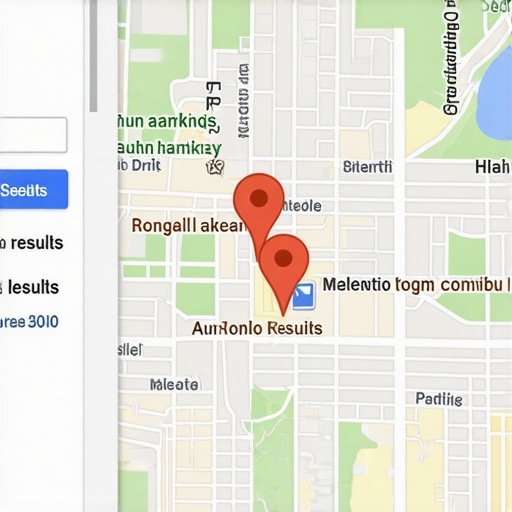
The ideal image here would be a screenshot of a Google Maps search with highlighted rankings and pins, illustrating how to verify your shop’s position in real-world searches.
Audit Your Agency’s Strategies for Transparency
Quick tips include requesting detailed reports and asking for examples of actual map improvements. Check if your California SEO agency showcases local signals such as consistent NAP (Name, Address, Phone) citations, reviews, and localized website content. If they avoid showing these, or if their portfolio is vague, you might be dealing with a fake. For concrete signs that your agency is faking your data, review these red flags.
Monitor the Consistency of Your Data Over Time
Track your metrics regularly—weekly at first, then monthly—as sudden jumps or drops could indicate manipulation. For instance, if rankings improve dramatically but calls don’t follow, it’s a red flag. Real progress in local SEO requires persistence; if your agency’s strategies are superficial, you won’t see consistent growth. Use tools like Google My Business Insights combined with your custom tracking to see if efforts align across channels.
Use Competitive Analysis to Benchmark Your Progress
Search for top competitors and note their ranking factors. Are they consistently appearing in the 3-pack? Do their reviews and citations outpace yours? If your competitors have better engagement signals, your strategy needs to adapt. Comparing their profiles with yours often reveals gaps—like missing local keywords or lacking recent reviews—that a reliable Maps ranking service can help resolve.
Many local businesses and even seasoned marketers often believe that optimizing for Google Maps or hiring a California SEO agency guarantees instant success. However, this assumption overlooks several nuanced realities. Contrary to popular belief, simply focusing on keyword stuffing or superficial citations rarely yields sustainable growth. In fact, aggressive tactics can backfire, leading to penalties or stagnant rankings.
Are Your SEO Efforts Truly Aligning with Google’s Evolving Algorithms?
Recent updates emphasize user experience, relevance, and trust signals over raw keyword density. A study by Moz highlights that factors like user engagement metrics and local reputation signals increasingly influence rankings. Therefore, understanding how to leverage genuine local signals—like authentic reviews, consistent NAP citations, and localized content—becomes critical.
One common myth is that maps rankings are predominantly driven by backlinks or citations alone. While these are important, the real secret lies in how well your physical presence aligns with user intent and trustworthiness in Google’s eyes. For example, some Bakersfield shops focus excessively on buying backlinks, which might temporarily boost rankings but do little to enhance long-term local visibility. It’s essential to integrate comprehensive local SEO practices instead of relying on quick fixes.
Moreover, many businesses overlook the danger of fake or inflated reports from shady SEO firms. Certain agencies might inflate their results with manipulated data, making it seem like your rankings are improving when they are not. To avoid falling into this trap, scrutinize the integrity of your SEO agency’s reporting. Check if they’re transparent about local signals they optimize or if they use easy-but-deceptive tactics. For instance, some agencies might inflate performance metrics through artificial click farms or fake reviews—activities that Google actively penalizes. You can learn more about spotting these tactics on this page.
Why do some Bakersfield businesses outrank competitors despite similar SEO investments?
Often, it’s about crafting a holistic SEO approach. Local shops that outperform big chains typically do so by building community trust, actively managing reviews, and maintaining a consistent local presence—elements that Google rewards over manipulative backlinks or citation spam. This aligns with core principles of Google’s E-A-T (Expertise, Authority, Trustworthiness). Want to ensure your strategy isn’t falling prey to common pitfalls? Review this guide for red flags and tips to safeguard your investments.
Having an advanced understanding of these nuances will help you avoid costly mistakes and build a resilient local SEO presence that withstands algorithm changes. Remember, authentic signals and sustainable practices outperform quick hacks every time. So, have you ever fallen into this trap? Let me know in the comments.
How do I maintain effective Google Maps optimization over time?
Keeping your local SEO efforts alive and thriving requires the right combination of tools and strategies. Personally, I rely on a suite of specialized software and methods that allow me to monitor, adjust, and improve my Bakersfield-based client campaigns continually. One of my go-to tools is BrightLocal, which offers comprehensive local search tracking, citation analysis, and review management functionalities. I use BrightLocal daily to keep an eye on my clients’ map rankings, ensuring that their positions remain stable or improve. Its detailed reports help me identify trends and spot potential issues before they impact visibility.
Furthermore, I incorporate Google Search Console and Google My Business Insights into my routine. These free tools allow me to analyze how users are finding my clients’ listings and what keywords drive traffic. Combining these insights with a local citation management tool like Whitespark helps me maintain consistency across directories, which is vital for map ranking stability.
Keeping in mind that Google’s algorithms are constantly evolving, staying informed through reliable sources is crucial. I regularly review updates from Google’s official developer blog and industry experts like Moz to adapt my strategies accordingly. For example, recent algorithm shifts emphasize user experience signals, such as review quality and engagement, over simple keyword stuffing.
Looking ahead, I predict that automation and AI-driven monitoring will become standard in local SEO maintenance. Tools that can predict ranking fluctuations based on algorithm updates will save us time and enable proactive adjustments. For now, mastering manual checks and combining multiple analytics platforms ensures your Bakersfield SEO efforts remain effective long-term.
Don’t forget to verify your ongoing efforts by performing manual Google Maps searches in incognito mode, testing different local keywords to see if your pins stay correctly positioned. This hands-on approach, paired with robust tools, helps you stay ahead of the competition, avoiding unexpected drops in visibility.
If you want to take your map optimization to the next level, consider integrating BrightLocal’s tracking with your review management process. This synergy enhances your ability to keep your clients’ listings fresh and trustworthy—crucial factors in 2026. Dive into one of these tools today and watch your local rankings stay solid amidst an ever-changing landscape.

The ideal image would showcase a dashboard screenshot of BrightLocal’s local search tracking and citation analysis tools, emphasizing real-time monitoring of map rankings and reviews.
Lessons I Wish I Didn’t Have to Learn About Maps Ranking
One of the toughest realizations was that many shiny reports from agencies are just smoke and mirrors. It took me time to understand that sustainable growth in Bakersfield requires more than just chasing rankings—it’s about authentic engagement and local signals. I found out that focusing solely on citation counts or keyword stuffing can backfire, eventually penalizing your listing. The lightbulb moment came when I realized that genuine reviews and consistent NAP information bore more fruit than deceptive shortcuts.
Another lesson was recognizing how easily fake performance metrics can lure business owners. Some agencies inflate their results with fake data, making it seem like your maps presence is improving when it’s not. Learning to question and verify the real impact was a game-changer. I encourage every local shop to scrutinize their reports and ask detailed questions about local signals they’re optimizing—because only transparency leads to real results.
Lastly, I discovered that trying to outsmart Google’s evolving algorithms with quick hacks is a losing battle. Instead, adopting a holistic, user-focused local SEO approach rooted in trust signals and community engagement proves far more effective. It’s a continuous effort, but the payoff—more calls, visits, and loyal customers—is worth every ounce of effort.
Tools and Resources I Rely on for Local Success in Bakersfield
To keep my strategies sharp, I depend on tools like BrightLocal for comprehensive ranking and citation tracking, which provides real-time insights into local visibility. I also trust Google My Business Insights to understand how my listings are performing and what drives engagement. For competitive benchmarks, analyzing top performers with local competitors’ profiles reveals crucial gaps and opportunities. And for ethical SEO practices, I study trusted guides and industry updates that keep me aligned with Google’s latest changes.
These tools, combined with continuous learning and adaptation, help me ensure the Bakersfield clients I serve stay ahead in local searches and keep their phones ringing.
Step Into Your Power and Conquer Local SEO in 2026
Now is the perfect moment to take your Bakersfield business’s local presence to the next level. Trust your instincts, invest in genuine signals, and don’t settle for fake metrics. Every effort you make now will build a resilient foundation that withstands algorithm shifts and competitive pressures. Remember, the future belongs to those who embrace honest, sustainable strategies—so start today, stay consistent, and watch your maps rankings—and your business—rise.
Comments are closed.