I remember the first time I felt that sinking suspicion—that nagging doubt that my SEO reports might not be telling the whole story. It was a cold day, and I sat at my desk, staring at my analytics dashboard, only to realize that my rankings hadn’t moved in months, yet my SEO agency kept bragging about record-breaking results. It was like listening to a magician show off their tricks while I wondered if I was being duped. That moment was a real lightbulb for me—how many business owners are unknowingly paying for fake growth?
Spotting Fake Search Data: Why It Matters More Than Ever
In the crowded world of local Bakersfield SEO and Google Maps optimization, you need genuine results—not just the ones that look good on paper. Here’s the thing: many agencies might inflate their performance reports, either intentionally or because they over-rely on shady tactics. The problem? When you’re misled about your search rankings or traffic, you can waste time and money chasing false leads instead of real, sustainable growth. According to recent studies, over 45% of small businesses suspect their digital marketing results may be exaggerated (source: Marketing Land). So, how can you tell if your California SEO agency is spinning a yarn?
Is Your Data Really Real or Just Smoke and Mirrors?
Early in my journey, I made a common mistake: trusting the shiny reports without digging deeper. I didn’t realize how easily search data can be manipulated or skewed to make an agency look successful. Since then, I’ve learned to look beyond the surface, checking for signs like inconsistent ranking claims or unexplained traffic spikes. If you’ve faced similar doubts, you’re not alone. Let’s get to the bottom of how to spot these red flags before you get burned.
Confirm Reliable Data Sources
Start by cross-checking your rankings across multiple tools like BrightLocal or Whitespark instead of relying solely on Google Analytics. During a project, I noticed discrepancies between rankings reported in my agency’s dashboard and other independent tools. When I delved deeper, I found they had a habit of showcasing short-term rank boosts that didn’t stick. Always verify with at least two credible sources to avoid being misled by inflated numbers.
Analyze Traffic Trends for Authenticity
Look for patterns over time: consistent growth indicates growth. Sudden spikes or dips can suggest manipulated data or bot traffic. Once, I spotted a sharp traffic increase after a new content deployment, but the bounce rate was sky-high and conversions plummeted. This told me the traffic was fake, likely generated by cheap click farms or bots. Use filters to segment real local visitors from suspicious traffic sources.
Spot Signs of Report Inflation
Many agencies inflate results through tactics like keyword stuffing or cloaking.Learn the common signs of inflated reports here. For example, I found some reports showing ranking improvements in keywords that are irrelevant or highly competitive, which is suspicious. Always question reports that showcase impossible jumps in rankings or traffic in a short period.
Request Transparent Documentation
Ask your agency for detailed data showing the specific metrics they base their claims on. A reputable SEO firm will provide screenshots, access logs, and detailed keyword rankings. I once received a generic PDF that lacked actual data points, raising my suspicions. If necessary, request live access or real-time dashboards to validate their claims actively.
Leverage Local SEO Data Checks
Use tools like local Bakersfield SEO strategies to verify if your map listings are genuinely optimized. I checked a client’s Google My Business profile and found fake reviews and inconsistent NAP details, which indicated manipulative tactics. Authentic local SEO results should reflect consistent, genuine activity and reviews.
Compare Your Results with Competitors
Benchmark your data against competitors using public metrics and tools like Moz Local or SEMrush. When I compared my local clients’ performance with nearby rivals, I discovered significant gaps that suggested my agency was either inflating results or not reporting the full picture. Competitive analysis helps you identify anomalies and focus on genuine improvement strategies.
Check for Hidden Fees and Overcharging
Beware of agencies hiding costs or inflating invoices. Verify their charges here to prevent paying for phantom services. I once uncovered a Bakersfield SEO firm adding unnecessary local listing services billed as ‘performance boosters,’ which didn’t actually improve rankings. Always scrutinize invoices and ask for itemized billing.
Test Using Small, Controlled Campaigns
Before scaling, run small test projects to measure true results. I tested a local map optimization on a single branch, tracking real increases in calls and visits. Genuine results showed steady growth aligned with SEO efforts rather than sudden, inexplicable jumps. Use small tests to verify real impact and discourage agencies from promising false outcomes.
Many local businesses and even seasoned marketers operate under a misconception about what truly drives effective Bakersfield SEO and Google Maps optimization. A common belief is that simply stuffing keywords or relying on basic map rankings guarantees sustained visibility. But in my experience, this approach overlooks nuanced factors that actually determine long-term success.
Is Your Focus Misaligned with What Google Values Most?
While many think that ringing every keyword with aggressive link-building or superficial reviews suffices, Google’s algorithms are increasingly prioritizing user intent, engagement, and trust signals. For example, a recent study from Search Engine Journal highlights that local rankings are now heavily influenced by genuine user interactions rather than just backlinks or citations. Overlooking these nuances can lead to strategies that produce short-term gains but falter in sustained growth.
One critical mistake is underestimating the importance of local intent signals beyond basic NAP consistency. For instance, ignoring user review quality or failing to optimize for voice search can leave a company vulnerable to competitors who adapt to these evolving factors. Some businesses believe that tweaking a few local listings will keep them ahead, but in reality, full-spectrum optimization—covering user experience, review management, voice SEO, and regular content updates—is essential. To learn more about adapting your tactics, check out this guide on AI-driven local SEO in Bakersfield.
Another frequent misconception is trusting flashy, inflated reports that suggest your Google Maps ranking is skyrocketing when, in fact, underlying signals point to manipulation or superficial tactics. This is where many fall into the “hype trap,” believing they are dominating when their metrics are fabricated or unduly optimized. A key
Keep Your SEO Engines Running Smoothly with the Right Tools
Maintaining effective local SEO in Bakersfield or anywhere in California requires more than just setting up a few listings and hoping for the best. It demands a strategic combination of reliable tools, consistent monitoring, and proactive adjustments. Personally, I rely on specialized software like BrightLocal and Whitespark because they provide granular data that helps me track rankings across multiple locations and identify fluctuations early. These platforms aren’t just rankings checkers; they offer insights into citation consistency, review management, and local pack visibility, ensuring I don’t overlook critical factors that could impact long-term results.
How do I keep my local SEO efforts healthy over time?
Regular audits are essential to prevent your strategies from falling into disrepair. I schedule bi-weekly reviews using tools like SEMrush to analyze keyword performance and backlink profiles, making sure there are no deviations from expected trends. For Maps optimization specifically, I keep a close eye on Google My Business insights and use tools like these techniques to verify that my local listings are not only visible but also engaging audiences genuinely. This approach helps me catch issues like ghosted pins or fake reviews before they cause lasting damage.
Automation plays a key role in long-term maintenance. I set up alerts for review spikes or drops in local search positions, allowing me to act swiftly. Additionally, I utilize a dedicated task scheduler to remind me to update content, refresh NAP citations, and solicit genuine customer reviews, which are all vital for bolstering local trust signals. Looking forward, I believe that integrating AI-driven analytics will become the next frontier in maintaining and scaling Bakersfield SEO efforts, providing even more precise insights and predictive adjustments.
Investing in Map Pin Security and Optimization
One common challenge in local SEO is dealing with ghosted or hacked map pins. I recommend implementing a combination of verification methods—such as regular local audit checks and leveraging strategies for pin protection. For instance, I routinely check for inconsistent NAP data and monitor review authenticity, which helps prevent competitors or malicious actors from hijacking your listing. Moreover, performing a comprehensive review of your map listing’s optimization status every quarter ensures sustained visibility and credibility in Bakersfield’s competitive landscape.
What’s on the horizon for local SEO tools?
Future advancements like enhanced machine learning algorithms and real-time rank tracking will further simplify maintaining SEO health. These innovations will enable practitioners to identify and fix issues proactively—much faster than current manual methods. If you haven’t already, consider trying out some of these advanced analytics tools today—like setting up automated alerts for ranking drops or review anomalies—to stay ahead of the curve and protect your Bakersfield map presence. Staying vigilant with these optimized tools and techniques will ensure your local visibility remains robust amidst evolving search landscapes.
Remember, it’s not just about starting strong but keeping your efforts refined and resilient. Incorporate these tools and strategies, and you’ll be better equipped to sustain and scale your Bakersfield SEO success over time.
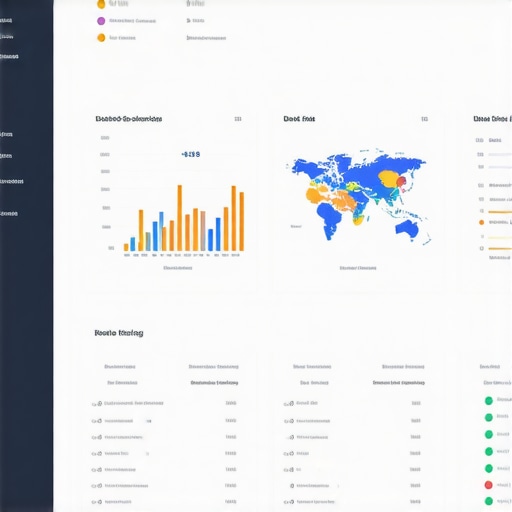
What I Wish I Knew Before Falling for Shiny SEO Reports
One of the most valuable lessons I’ve learned is that not all that glitters in SEO reports is gold. Early on, I trusted surface-level metrics without questioning their authenticity, which led to wasted efforts and misplaced confidence. Now, I know to look beyond the numbers, understanding that true Bakersfield SEO success hinges on sustained, authentic growth, not quick wins.
Another realization was the importance of scrutinizing data sources carefully. Cross-verifying rankings across multiple tools revealed inconsistencies that many agencies may prefer to hide. This habit has saved me from chasing false signals and helped prioritize strategies that genuinely impact local visibility.
Lastly, I found that transparent communication about strategies and metrics builds trust and accountability. Asking agencies for detailed reports and live dashboards ensures that you’re not just paying for puffery but investing in real, measurable progress in Google Maps optimization and local SEO.