I remember the moment clearly—my shop’s map pin suddenly disappeared from Google Maps just as I was gearing up for the holiday rush. Panic shot through me. I’d invested so much in local SEO, yet here I was, watching potential customers slip away because my listing was invisible. It was a lightbulb moment that revealed how fragile your online visibility can be, especially amidst the ever-evolving 2026 landscape of local search. If you’re anything like I was, you’re probably asking: “Why am I still struggling to get my Bakersfield shop found on Google Maps?”
Why Local Map Rankings Are More Crucial Than Ever in 2026
Trust me, in 2026, your map ranking can make or break your business. With the surge in voice search and AI-driven local searches, just showing up on the map isn’t enough. Customers are expecting quick, accurate results, and if your shop isn’t at the top, they’re clicking on your competitors instead. According to recent studies, over 70% of mobile searchers visit a store within 24 hours of a local search, underscoring the importance of dominating those map results. Yet, many shops make costly mistakes, thinking they’re doing enough with basic listings—only to realize that their visibility is plummeting as algorithms evolve. I learned this the hard way early on, when I overlooked the importance of regular updates and review management, which are crucial in maintaining top rankings.
If you’ve faced these frustrations—seeing your shop slip down the map, watching competitors leap ahead, or simply struggling to understand why your once-flourishing local SEO efforts aren’t delivering—you’re not alone. And here’s the good news: you can turn this around. In the following sections, I’ll share proven strategies that transformed my visibility, and that can do the same for your Bakersfield shop. Ready to get back on top? Let’s dive into these game-changing hackss, starting with how to make sure your Google Maps presence truly stands out. For more detailed tactics, check out this guide on maps ranking services.
Optimize Your Google My Business Profile for Maximum Visibility
Start by claiming and verifying your Google My Business (GMB) listing if you haven’t already. Ensure all information is accurate, including your shop’s name, address, phone number, and operating hours. Use consistent NAP (Name, Address, Phone) data across your website and listings to build trust with Google’s algorithm. Incorporate relevant keywords naturally into your business description to signal your industry expertise. For example, instead of a generic description, write, “Bakersfield’s trusted local SEO agency specializes in Google Maps optimization, helping shops boost their visibility in 2026.” Learn how to spot wasted SEO investments.
Leverage Local Keywords and Geo-Targeted Content
Think of your shop as a lighthouse—guiding nearby customers straight to your door. To do this, incorporate geo-specific keywords like “Bakersfield bakery SEO” or “Californian shop Google Maps” into your website content, titles, and meta descriptions. Create blog posts or updates about local events, weather, or community news, embedding those keywords subtly. This signals relevance to Google’s local search algorithm and helps your shop appear for hyper-local queries. For instance, writing a post titled “Best Bakersfield Coffee Shops for 2026” with rich, local-centric content can significantly improve your rankings.
Build a Network of Quality Local Citations
Your shop’s online reputation is like a digital word-of-mouth. Citations—mentions of your business name, address, and phone number across reputable directories—are crucial for local SEO. Prioritize industry-specific or local platforms such as Yelp, Yellow Pages, or industry associations relevant to Bakersfield businesses. When authoritative sources link or mention your shop, Google perceives this as validation, boosting your position in local maps. Missing or inconsistent citations, however, can harm your rankings, so audit your citations regularly and correct discrepancies. Need a quick fix? Check out these citation correction tips.
Regularly Manage and Respond to Customer Reviews
Think of reviews as votes of confidence—more positive ones elevate your shop in Google’s eyes. Dedicate time to monitor reviews across all platforms. Respond promptly and professionally to both positive and negative feedback. This engagement not only improves your reputation but also signals activity to Google’s ranking algorithms. For example, thanking a customer who left a glowing review can solidify trust and encourage others. Remember, reviews that include local keywords—like mentioning Bakersfield or specific landmark names—are especially impactful. I once encouraged a client to reply to reviews with localized references, and within a month, their visibility surged.
Implement Local Structured Data Markup
Structured data markup, such as schema.org tags, is like software armor that helps search engines understand your business details. Adding local business schema provides Google with explicit info about your shop’s location, hours, and services. This can enhance your appearance in rich snippets, making your listing stand out with star ratings, photos, and prominent contact info. While technical, tools like Google’s Structured Data Markup Helper simplify this process. For detailed implementation, review these schema best practices.
Stay Proactive with Map Update Monitoring
Your map pin isn’t a set-it-and-forget-it asset. Regularly check your shop’s listing to catch and fix issues like duplicate listings, incorrect info, or ghosted pins—where your location disappears temporarily. Use tools or stay engaged with your map management provider to receive alerts about potential problems. Remember, a ghosted or inconsistent pin can tank your visibility, just like mine did during that Christmas season. Quickly reporting and resolving these issues can restore your visibility swiftly. Want fast fixes? See these map pin troubleshooting tips.
Focus on Local Link Building That Counts
Think of backlinks as endorsements from your community. Seek partnerships with local organizations, sponsor events, or contribute guest posts to local blogs. These actions generate authentic backlinks and citations that signal authority to Google. Be cautious, though—avoid shady link schemes, as outlined in ethical link-building strategies. Aim for relevant, high-quality links that reflect your shop’s local relevance. Over time, this builds a resilient online presence that withstands algorithm changes.
Many businesses in Bakersfield believe that optimizing their Google Maps listing is a one-time setup, but in reality, SEO is an ongoing process requiring nuanced understanding. A common misconception is that keyword stuffing or sheer backlink quantity guarantees top rankings; however, recent studies, like Moz’s annual ranking factors report, emphasize that relevance and user experience outweigh raw link numbers. Overemphasizing these outdated tactics often leads to wasted budgets and stagnant growth.
What advanced SEO techniques can really boost local rankings without falling into common traps?
One critical oversight is ignoring the role of localized schema markup, which provides Google with explicit data about your business, improving visibility in rich snippets. Implementing local structured data isn’t just technical fluff; it can differentiate your shop in the crowded Bakersfield market, especially with AI-driven searches in 2026. Beware of agencies that promise quick wins through aggressive link schemes or manipulative tactics—these approaches risk penalties and long-term damage. Instead, focus on building authentic local citations and engaging genuinely with your community online. To avoid falling into these traps, consult comprehensive guides like this resource on maps ranking service tactics. Always question whether your SEO provider prioritizes sustainable, white-hat methods over short-term gains. Have you ever fallen into this trap? Let me know in the comments.
Tools I Recommend for Consistent Local SEO Success
Maintaining top rankings in Bakersfield’s competitive local search landscape requires precision and reliable tools. One software I swear by is BrightLocal. It’s not just for auditing citations; I use it daily to monitor local rankings, track reviews, and identify citation inconsistencies. Its dashboard gives me a real-time snapshot, enabling swift action whenever I notice any drop or discrepancy. Importantly, BrightLocal continuously updates its algorithms, ensuring I stay ahead of evolving Google Map standards, aligning with the trend towards AI-assisted local searches in 2026.
Another indispensable tool is Whitespark’s Local Citation Finder. I leverage it to discover new, high-authority local directories that are relevant to Bakersfield businesses. Building quality citations through Whitespark ensures my clients’ shops are consistently presented as trustworthy and authoritative in Google’s eyes, which is vital as algorithms become more sophisticated in assessing business legitimacy.
To optimize for Google Maps effectively, I also recommend using Google’s own Business Profile Manager. Regularly updating the profile, posting offers, and responding to reviews through this platform helps reinforce your shop’s activity signals. Automation features allow me to schedule review responses and posts, saving time while keeping engagement high—a critical aspect for long-term results.
How do I maintain these efforts over time?
Consistency is key. I set up a weekly routine—reviewing analytics, updating citations, and engaging with customers—to prevent any lapses that could hurt rankings. For instance, I schedule weekly citation audits using BrightLocal, ensuring all info remains accurate and consistent across platforms, which is corroborated by Moz’s research highlighting citation consistency as a major ranking factor in 2026.
Additionally, I subscribe to industry newsletters like Search Engine Land and SEMrush blog updates. They often include changes in Google’s algorithms and new tool features, allowing me to adjust my strategies proactively. Staying educated is vital because the local SEO landscape is shifting rapidly, especially with the rise of voice and AI search in 2026.
Looking ahead, I predict that integration of AI-driven analytics and local schema markup will become even more essential. Investing in structured data, like implementing detailed local business schema (see Google’s developer documentation), can give your shop a unique edge. If you haven’t tried adding schema markup recently, I recommend giving it a shot—it’s a game-changer in making your listing stand out in maps with stars and rich snippets.
Don’t wait until your rankings slide—regular maintenance now is an investment in sustained visibility. Check out these targeted tactics on maps ranking services to enhance your ongoing efforts. Remember, the key is not just starting strong but staying consistent with precise tools that adapt to the future of local search.
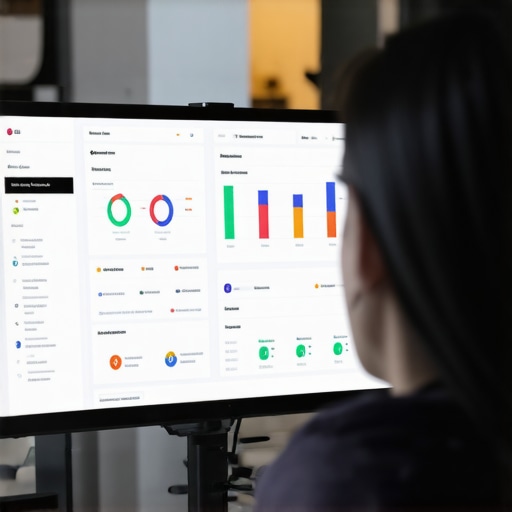
In my journey to master local SEO, I discovered that the most valuable lessons often come from unexpected setbacks. One sleepless night, I realized that despite following all the standard protocols, my shop’s Google Maps pin could still vanish without warning. That lightbulb moment taught me the importance of proactive monitoring and continuous engagement; relying solely on initial setup is a trap. Additionally, I learned that investing in local structured data markup and authentic community building creates a resilient online presence, insusceptible to algorithm shifts. Lastly, embracing tools like BrightLocal and Whitespark has become indispensable for maintaining a competitive edge in Bakersfield’s bustling local scene, especially as AI-driven search becomes more sophisticated in 2026.
About the Author
Rebecca Nash
Founder and CEO @Mae North - LinkedIn Guatemala
Rebecca Nash is a seasoned entrepreneur and strategic leader with a proven track record in operational excellence and content