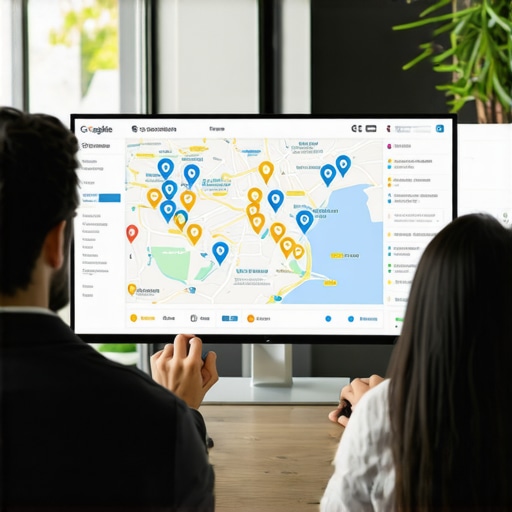
My Personal Journey into Google Maps Optimization and California SEO
When I first started exploring local SEO, I vividly remember the excitement of seeing my business appear on Google Maps. It was like a light bulb moment—knowing that visibility on maps could dramatically increase foot traffic and sales. Over the years, I’ve experimented with various strategies, and I want to share some personal insights into effective Google Maps optimization, especially tailored for California businesses in 2024.
Why Google Maps Optimization Became a Game-Changer for My Business
Initially, I underestimated the power of local SEO. But after implementing targeted Google Maps strategies, I witnessed a noticeable boost in local inquiries. I learned that optimizing my Google Business Profile, ensuring consistent NAP (Name, Address, Phone Number), and leveraging local keywords played a vital role. According to California SEO agency tips, local optimization is crucial for appearing in the coveted three-pack, which I found true through my own experience.
How I Enhanced My Maps Ranking with Practical Tactics
One tactic that made a real difference was regularly updating my Google My Business profile with fresh photos, special offers, and responding to reviews. I also focused on local backlinks by collaborating with nearby businesses and engaging in community events. These activities helped me build authority and trustworthiness, which search engines value immensely. I discovered that consistent engagement and authentic reviews significantly impact ranking, aligning with expert insights from local SEO tips.
What Are the Core Components of a Successful Google Maps Strategy?
Ever Wondered What Truly Boosts Map Rankings?
From my experience, the core components include accurate business information, high-quality local backlinks, positive customer reviews, and engaging local content. Ensuring that your business category is precise and your keywords are strategically chosen helps Google understand your relevance. I also recommend monitoring your profile’s performance regularly and adjusting your strategy accordingly. For more detailed tactics, I suggest exploring Google Maps ranking services.
If you’re serious about elevating your local visibility, I encourage you to share your experiences or ask questions in the comments below. Connecting with other local business owners has been invaluable for me.
Remember, local SEO is an ongoing process, not a one-time task. Staying updated with the latest strategies, like those outlined in the 2024 California SEO landscape, can keep you ahead of your competitors. For authoritative insights, I often refer to Moz’s local SEO guides, which provide comprehensive, trusted advice.
Leveraging Local Search Trends: Staying Ahead in the California Market
Staying current with local search trends is essential for maintaining a competitive edge. As digital behaviors evolve, so do the algorithms that determine your visibility on Google Maps. Recent studies, such as those highlighted by Moz, emphasize the importance of mobile optimization and voice search in 2024, especially in tech-savvy California markets. By tailoring your profile for voice queries like “best coffee shop near me,” you can capture a broader audience. Implementing structured data markup and optimizing for local intent are practical steps to enhance your relevance. For comprehensive strategies, consider consulting local SEO tips tailored for California businesses.
How Does Google’s Algorithm Really Assess Local Relevance?
What Nuances in Google’s Algorithm Should Experts Focus On?
Google’s local algorithm evaluates multiple factors beyond basic business info. Elements like the consistency of NAP citations across authoritative directories, the quality and quantity of reviews, and engagement signals such as responses to reviews significantly influence rankings. Additionally, behavioral metrics like click-through rate and proximity play a role. Understanding these nuances allows experts to craft more targeted strategies. For instance, encouraging satisfied customers to leave reviews not only boosts credibility but also signals relevance to Google. For detailed insights, I recommend exploring effective optimization strategies.
Creative Ways to Amplify Your Local Presence and Authority
Beyond standard optimization, establishing local partnerships and participating in community events can generate valuable backlinks and social signals. Hosting workshops or sponsoring local charities not only builds goodwill but also increases your brand’s local authority. Engaging with local influencers for reviews or collaborations can further enhance your visibility. Additionally, creating hyper-local content—like blog posts about community events—helps Google associate your business with relevant local topics. This proactive approach aligns with the broader trend of personalized local SEO, which has proven effective in markets like Bakersfield and Los Angeles. To implement these tactics effectively, consult trusted sources like Maps ranking services.
What Are the Most Overlooked Aspects That Could Make or Break Your Google Maps Success?
Many local businesses overlook the significance of maintaining up-to-date business categories and attributes. Misclassification or neglecting to optimize features such as service areas or business attributes can hinder your relevance. Moreover, neglecting to monitor your profile’s insights and analytics leaves valuable data on the table. Regularly analyzing performance metrics helps identify which tactics are working and where adjustments are needed. For example, if specific keywords are driving traffic, doubling down on those can improve rankings further. Staying proactive and data-driven is key. For more advanced techniques, check out local SEO insights.
If you’re interested in deepening your understanding of local SEO mastery, I encourage you to share your experiences or ask questions below. Engaging with a community of like-minded entrepreneurs can provide new perspectives and ideas. Remember, consistent effort and strategic innovation are vital for long-term success in Google Maps ranking. For ongoing updates and expert guidance, stay connected with trusted resources like Moz and industry-specific blogs.
Beyond the Basics: Navigating the Complexities of Google Maps Optimization with Personal Wisdom
As I’ve delved deeper into local SEO, especially within the vibrant California market, I’ve realized that effective Google Maps optimization is as much an art as it is a science. It’s easy to get caught up in checklists—updating your profile, gathering reviews, optimizing keywords—but the real mastery comes from understanding the intricate dance of relevance, authority, and user behavior. Over the years, I’ve encountered surprises that challenged my assumptions, teaching me that sometimes the smallest adjustments yield the most significant results.
How Do Nuances in Google’s Algorithm Shape Your Local Success?
What Are the Hidden Factors That Can Make or Break Your Rankings?
Google’s local algorithm is remarkably nuanced. Beyond the well-known signals like NAP consistency and review volume, factors such as behavioral engagement—how users interact with your profile—play a critical role. For example, a high click-through rate from local searches signals relevance and can elevate your rankings. Additionally, the quality of reviews, not just quantity, influences perceived trustworthiness. I’ve noticed that responding thoughtfully to reviews, especially negative ones, demonstrates active engagement and builds trust with both Google and potential customers. To stay ahead, I constantly monitor insights and adapt my strategy accordingly. For deeper insights, I recommend exploring effective optimization strategies.
This ongoing learning process reminds me that local SEO is dynamic. The landscape shifts with algorithm updates, consumer habits, and technological advances like voice search, which in California is gaining rapid traction. Adjusting your profile for voice queries—think about how people speak naturally—can unlock new traffic streams. It’s a continuous journey of adaptation and refinement.
What Personal Strategies Have Helped Me Overcome Challenges in Map Ranking?
Can Authentic Community Engagement Truly Boost Local Authority?
Absolutely. I’ve found that building genuine relationships within my community yields more sustainable results than merely chasing rankings. Participating in local events, sponsoring charities, or hosting workshops not only creates backlinks but also embeds my brand into the local fabric. These activities foster trust and encourage local customers to leave reviews and share their experiences. Over time, these authentic signals become powerful indicators for Google. If you’re interested, exploring maps ranking services can provide tailored guidance to amplify these efforts.
Personally, I’ve learned that consistency and sincerity are key. When your community perceives your business as a genuine part of their lives, your Google Maps presence naturally benefits. This approach requires patience, but the payoff is often more enduring than quick fixes.
How Can You Personally Elevate Your Local Presence in 2024?
My advice is to embrace a holistic view—combine technical optimization with authentic community involvement. Ensure your profile reflects the latest updates, local keywords, and rich media, but also invest time in real-world engagement. Share stories about local projects or customer success stories on your profile, which resonate with your audience and humanize your brand. Additionally, leverage local influencers or partner with nearby businesses to cross-promote, creating a network of support that Google recognizes as authoritative.
Remember, every business’s journey is unique. I invite you to share your experiences or ask questions in the comments. Learning from each other’s challenges and successes can accelerate our collective growth. For ongoing insights, I recommend keeping an eye on trusted sources like Moz’s local SEO guides, which continuously evolve to reflect the latest industry standards.
Fine-Tuning Your Local SEO with Data-Driven Insights and Nuanced Tactics
Building on my foundational experiences, I’ve come to appreciate the importance of leveraging comprehensive analytics to inform your Google Maps strategy. Diving into detailed insights from tools like Google My Business insights and third-party analytics platforms reveals patterns that can be harnessed to refine your local SEO efforts. For instance, analyzing which keywords generate the most clicks or examining customer engagement metrics can uncover hidden opportunities that standard tactics might overlook. This granular approach not only boosts rankings but also enhances the quality of your local traffic, leading to higher conversion rates.
Why Mastering the Art of Local Link Building Elevates Your Map Rankings
While many focus on reviews and NAP consistency, the role of authoritative local backlinks remains underrated. Cultivating relationships with niche industry directories, local news outlets, and community blogs creates a web of trust signals that significantly influence your relevance and authority. I’ve personally found that participating in local sponsorships or hosting industry-specific webinars can generate valuable backlinks that Google perceives as endorsements. Such strategies, combined with careful outreach, can position your business as a staple within the local digital ecosystem. For in-depth guidance, I recommend exploring effective local link-building tactics.
How Do Voice Search Trends Reshape Your Local Optimization Approach?
What Are the Most Advanced Voice Search Optimization Techniques for California Businesses?
Voice search is transforming local search behavior, especially in tech-forward markets like California. To adapt, businesses must optimize for conversational queries and question-based keywords. Incorporating long-tail keywords that mimic natural speech, and structuring content around common questions, can dramatically improve your chances of appearing in voice search results. Additionally, leveraging structured data markup, such as FAQ schema, helps Google better understand your content and context. According to recent studies by BrightLocal, optimizing for voice search can increase local visibility by up to 20%, making it an essential component of a modern Google Maps strategy. For tailored advice, consulting California-specific voice search tactics is invaluable.
If you’re eager to elevate your local SEO game further, I invite you to share your challenges or insights. Engaging with a community of experienced entrepreneurs can uncover innovative tactics and help you stay ahead in the competitive California market.
Things I Wish I Knew Earlier (or You Might Find Surprising)
The Power of Consistency
One of the biggest lessons I learned is that consistency in updating your Google Business Profile truly pays off. Back when I first started, I underestimated how much regular engagement—like posting new photos or responding to reviews—could impact my ranking. Over time, I saw how these small, persistent efforts built trust and authority, making my business more visible locally.
Reviews Are More Than Just Feedback
Initially, I thought reviews were just about customer satisfaction. But I discovered that Google evaluates both the quantity and quality of reviews, especially when responses are thoughtful. Engaging with reviews, especially negative ones, can turn a potential setback into a trust-building opportunity and boost your local relevance.
Local Backlinks Matter More Than You Think
I was surprised to find that collaborating with nearby businesses and community organizations for backlinks significantly improved my Maps ranking. These local links act as endorsements, signaling to Google that your business is a reputable part of the community.
Optimize for Voice Search
With voice search gaining traction in California, I realized optimizing for natural language and question-based keywords can open new avenues for visibility. Structuring your content around common questions like “Where can I find the best coffee near me?” can help you capture voice search traffic.
Monitor and Adapt Regularly
Sticking to a static strategy doesn’t work anymore. I learned to regularly review insights from Google My Business and adapt my tactics based on what data reveals about customer behavior and search trends.
Resources I’ve Come to Trust Over Time
- Moz’s Local SEO Guides: An invaluable resource that provides comprehensive strategies and updates on local search algorithms. I highly recommend it for staying informed.
- BrightLocal Blog: Offers insights specifically on voice search and local reviews, which are crucial for California businesses in 2024.
- Google’s Official My Business Help Center: The best place to understand updates directly from Google and ensure your profile adheres to the latest standards.
- Backlinko’s SEO Resources: Great for understanding the importance of backlinks and how to build them effectively in your local market.
Parting Thoughts from My Perspective
Reflecting on my journey with Google Maps optimization, I believe that genuine community engagement combined with strategic technical tweaks creates the most sustainable results. In California’s competitive landscape, staying ahead means not just following best practices but also continuously learning and adapting. If this resonates with you, I’d love to hear your own experiences or questions. Sharing these insights can help us all grow stronger in local SEO. Remember, consistency, authenticity, and data-driven adjustments are your best allies in boosting your Google Maps presence. Feel free to drop your thoughts or success stories in the comments—let’s learn from each other and thrive together in 2024 and beyond.


Leave a Reply