I remember the moment clearly—after months of hanging my hopes on online search rankings, I realized my business was invisible on Google Maps. It was like shouting into a void; every local customer searching for what I offered just couldn’t find me. That lightbulb moment hit hard. If you’re like me, juggling between improving your service and struggling with your map rankings, you’re probably asking yourself, “Why is my Bakersfield business not showing up where it counts?” Well, I promise, there’s an answer, and it’s more straightforward than you might think.
Why Google Maps Optimization Could Be the Game-Changer You Need
In Bakersfield, where community trust and local visibility matter immensely, your presence on Google Maps can make or break your business. The truth is, most local customers rely heavily on map searches to find nearby services. According to a recent study, over 70% of mobile local searches result in a store visit within a day—a statistic that highlights the importance of appearing prominently on Google Maps (source). For many small businesses, specifically in Bakersfield, mastering local SEO and map optimization isn’t just optional; it’s essential for survival and growth.
However, achieving that coveted top spot isn’t just about having a well-designed website anymore. It’s about making sure your business can be found easily when it counts. And in 2024, the rules of this game have shifted again, with Google continuously refining its algorithms to prioritize local relevance and engagement. If you’re tired of seeing competitors jump ahead in local maps rankings, then understanding effective strategies becomes your secret weapon.
A common mistake I made early on was neglecting the power of accurate and consistent NAP (Name, Address, Phone Number) data across all platforms. This simple oversight can sabotage your efforts, making it harder for Google to trust and rank your listing. So, if you’re ready to move beyond frustration and start climbing the ranks, it’s time to get serious about local SEO tactics that work. Curious to learn what specific strategies can help your Bakersfield business shine? Let’s dive into how you can optimize and dominate your local search presence.
Claim Your Business Listing Clearly and Consistently
Begin by ensuring your business is listed accurately on Google Maps. Use your exact business name, address, and phone number—NAP data—across your website, social media, and all online directories. A story from my early days: I once updated my business info on my website but forgot to sync it with my Google My Business profile. This mismatch confused Google, and my ranking suffered. When I finally realigned my data, my visibility improved within weeks. Consistency breeds trust—Google’s trust, that is. Check for discrepancies at this resource to tighten your NAP.
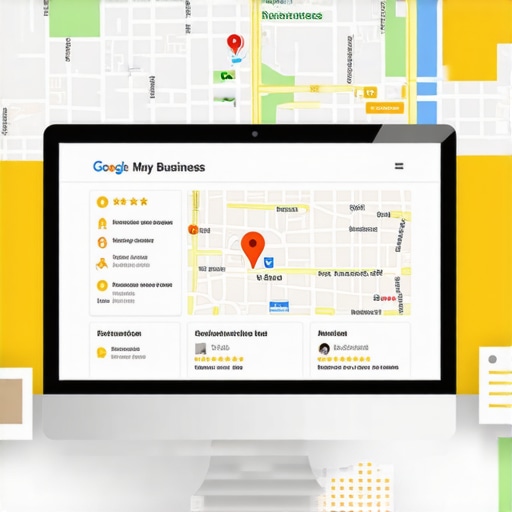
Optimize Your Google My Business Profile for Engagement
Next, enhance your profile by adding high-quality photos, accurate business hours, a compelling description, and relevant categories. Think of your profile as your digital storefront window—make it inviting and trustworthy. Regularly post updates or special offers to keep your profile fresh. I once ran a flash sale and posted it directly on my GMB, which resulted in a noticeable uptick in calls and visits. Engaged profiles inform Google that your business is active and relevant, boosting your local rank. For detailed tactics, visit this guide.
Gather and Manage Customer Reviews Effectively
Customer reviews are the social proof that Google loves and users trust. Politely ask satisfied customers to leave reviews on your Google profile, and respond promptly to each. Think of reviews as informative signals—more positive reviews not only build credibility but also directly influence your ranking. I made it a habit to follow up with clients for reviews after service, leading to a steady climb in local search results. Use tools or email templates to streamline this process. For tips on review management, see this resource.
Leverage Local Keywords and Content on Your Website
Integrate Bakersfield-specific keywords naturally into your website’s content, titles, and meta descriptions. Contextual relevance is a major ranking factor; Google wants to match searches with local intent. For example, including phrases like “Best Bakersfield Bakery” or “Bakersfield Auto Repair Near Me” increases your chances of appearing prominently. I once added a blog post about Bakersfield community events, which started drawing more local visitors and improved my maps ranking. Use location-specific pages to target different neighborhoods or services—this expands your visibility. For more on local keyword strategies, visit this page.
Build Local Citations and Backlinks
Establish your authority by getting listed on reputable local directories like Yelp, Yellow Pages, and industry-specific sites. Ensure your NAP details match exactly across these listings. Think of citations as endorsements—more accurate and reputable citations improve Google’s trust in your business. Additionally, acquire backlinks from local blogs, newspapers, or partners. I reached out to a local newspaper for a feature, which resulted in a backlink and significant jump in local rankings. Use tools to audit your current citations and backlinks, and target high-authority local sites. Resources like this guide provide detailed link-building tactics.
Monitor, Analyze, and Refine Regularly
Track your maps rankings and website traffic to measure progress. Use Google Analytics and Google Search Console to gain insights into local search performance. Adjust your strategies based on what works; if a particular keyword or tactic isn’t yielding results, pivot quickly. I kept an Excel sheet tracking my key local keywords and reviewed it monthly—this helped me identify patterns and opportunities for improvement. Remember, local SEO is an ongoing process, not a one-time fix. For advanced monitoring strategies, see this page.Many business owners believe that simply claiming a Google My Business listing guarantees top rankings, but in reality, that’s just scratching the surface. A common misconception is that ranking highly on maps is mainly about keyword stuffing or quick fix strategies. However, true local SEO success requires nuanced tactics, including ongoing reputation management and consistent citation building. Overlooking these aspects can be a costly mistake. Another misbelief is that reviews are the only social proof that matter; in fact, engagement and responsiveness to reviews send signals of activity and trustworthiness that Google values highly. Advanced practitioners know that local SEO involves a holistic approach, balancing on-page signals, local backlinks, and user engagement. You might also hear that paying for a service guarantees results—be cautious, as many agencies promise quick wins but deliver minimal lasting impact, especially if their approach isn’t tailored to your specific market. Avoid falling into the trap of cookie-cutter tactics; instead, focus on strategic, data-driven actions. For a comprehensive, expert-backed approach, review the detailed strategies outlined by industry leaders, including this resource. It’s also worth noting that recent studies indicate that local map rankings are heavily influenced by local content relevance and engagement metrics, not just traditional SEO signals (Moz). So, how can you avoid the pitfalls and truly optimize your local presence? Let’s examine the common errors and the advanced nuances most overlook.
What advanced tactics differentiate top performers from the average in local SEO?
First, mastery in backlink quality matters immensely. Focusing solely on quantity can backfire, as Google increasingly prioritizes reputable, relevant backlinks. Building relationships with local journalists, community blogs, and industry associations can provide authoritative mentions that boost your credibility. Additionally, leveraging schema markup for local businesses enhances your visibility in rich results, giving you an edge over competitors who neglect structured data. Finally, monitoring competitors’ strategies through tools and regularly updating your content to reflect seasonal trends or local events keeps your profile fresh and relevant. Remember, local SEO is an ongoing process, and trying to shortcut it often leads to poor results or penalties. Understanding these nuances helps you craft a more resilient and effective strategy. Want to explore how to implement these advanced tactics? Check out this guide for comprehensive insights. And don’t forget—stay vigilant for common pitfalls that trap many in ineffective practices. Have you ever fallen into this trap? Let me know in the comments.Once you’ve climbed the ranks and established a solid presence on Google Maps, maintaining that momentum becomes your next challenge. To keep your local SEO efforts working long-term, leverage reliable tools like Google Search Console and Google My Business insights to monitor your performance continuously. These platforms provide real-time data on impressions, clicks, and user engagement, helping you catch any fluctuations early. I personally check these analytics weekly, analyzing which keywords and queries are driving traffic, so I can adjust my local content and review strategies accordingly. Consistency in updating your profile with fresh photos, posts, and responding to reviews signals activity to Google, reinforcing your ranking stability. Additionally, investing in local citation management tools—like BrightLocal or Moz Local—ensures your NAP data remains accurate across all directories, preventing ranking dips caused by outdated information. Looking ahead, evolving user behaviors with voice search and mobile usage suggest that integrating schema markup and optimizing for conversational keywords will become even more critical for sustained visibility (Moz). To really turbocharge your long-term results, I recommend setting up automated alerts for review management and keyword performance, so you’re always on top of any shifts. One advanced tactic I implement is regularly auditing my competitors’ backlinks and citation profiles to identify new opportunities or gaps in my own setup. Give this approach a try—consistently refining your local SEO system ensures your Bakersfield maps rankings stay resilient and scalable. For more detailed insights, explore this comprehensive resource.
3 Lessons That Changed My Approach to Local Maps Optimization
One of the biggest lightbulb moments I had was realizing that consistent, precise NAP data across all platforms is the foundation of local trustworthiness. Without aligning your business information everywhere, Google simply can’t recognize you as a reliable local player.
Another insight was understanding that engagement on your Google My Business profile—responding to reviews, posting updates—acts as a living signal of activity, and that keeps your rankings stable and climbing.
Finally, I learned that local backlinks from reputable Bakersfield directories or community sites can significantly boost your visibility; it’s about quality connections that add authority, not just more links. These lessons reminded me that successful Google Maps optimization isn’t about shortcuts but about building a trustworthy, active local presence.
Leave a Reply