I remember the sinking feeling in my stomach when I realized my local shop’s Google Maps pin hadn’t moved in months, despite all my efforts. I was pouring time, money, and hope into my online presence, only to watch competitors skyrocket past me in local searches. That lightbulb moment hit me hard: I was relying on outdated strategies that simply no longer cut it. If you’ve found yourself in the same boat—frustrated with stagnant rankings or invisible storefronts—you’re not alone. The digital landscape shifts faster than most realize, especially with how aggressively Google updates its local search algorithms.
Why Focusing on Google My Business Optimization Is Crucial for 2026
In my experience, ignoring the latest GMB (Google My Business) strategies is like trying to drive a car without fuel. You might have a great design, an inviting storefront, and stellar reviews, but if your map pin isn’t visible when potential customers search for your services, you’re invisible. According to recent studies, local searches lead to over 50% of in-store visits, and yet many businesses keep playing catch-up instead of staying ahead. Staying updated with proven optimization moves isn’t just smart—it’s essential. As a California SEO expert puts it, “Ignoring local SEO in 2026 is practically leaving money on the table.”
But here’s the thing—learning about these moves can feel overwhelming, especially with so much conflicting advice out there. I made a critical mistake early in my journey: I thought updating my business info once was enough. Spoiler: Google’s algorithms are constantly evolving, and static efforts only lead to declines. For more on how to prevent your SEO efforts from failing, check out this comprehensive guide.
Is Google My Business Optimization Overhyped?
That skepticism is valid. I used to wonder if all the fuss about local maps ranking was just hype, especially since some agencies promise the moon and deliver little. But when I peeked behind the curtain, I realized that neglecting these optimization moves was one of the main reasons my shop’s visibility was suffering. The truth is, if you want more store visits in 2026, you need to be strategic—not just reactive. Next, I’ll walk you through the four moves that will help your business thrive, even amidst fierce local competition.
Claim Your Business on Google Maps
My first move was to ensure my business was correctly registered on Google My Business (GMB). I claimed and verified my listing, which is like claiming your territory on a map—without this step, all other efforts are futile. To do this, log into your Google account, find your business or create a new one, and go through the verification process—usually via postcard or phone. Skipping this step means Google doesn’t recognize your relevance or authority in local search.
Optimize Your Profile for Local Search
Complete Every Section
Fill out all fields with consistent, accurate information—business name, address, phone number, and hours. This consistency signals reliability to Google, much like providing a clear address for a delivery. Include relevant keywords naturally in your description to boost visibility for local searchers.
Use High-Quality, Location-Specific Photos
Upload clear images of your storefront, interior, products, or services. Visual cues help Google and potential customers recognize your business. Don’t just upload stock photos; authentic and high-quality images build trust. For example, I snapped some photos of my shop during a busy Saturday, which increased engagement and visits afterward.
Leverage Local Keywords Strategically
Identify keywords potential customers search for, like ‘Best Bakersfield Bakery’ or ‘Organic Coffee in Bakersfield.’ Incorporate these into your business description, service list, and posts on GMB. Think of keywords as the GPS coordinates that direct the right traffic to your door.
Collect and Respond to Reviews Regularly
Reviews serve as social proof and impact your map ranking significantly. I started encouraging satisfied customers to leave reviews after their visits. Always respond promptly and professionally to reviews—negative or positive—to show engagement and commitment. A single well-crafted reply can turn a negative review into an opportunity, much like turning a bad Yelp into a second chance to impress.
Build Local Citations and Consistent NAP Data
Ensure your Name, Address, Phone number (NAP) are consistent across all online directories—Yelp, Apple Maps, local business directories—and your website. Inconsistent info confuses Google and hampers your ranking. I audited all citations and corrected discrepancies, which then improved my local visibility within weeks. Want to dive deeper? Check out this guide.
Engage with Local Community and Content
Create relevant local content and participate in community events. Google favors businesses that are active in their locality. Posting about local events or partnerships signals your business as a community pillar. Plus, local backlinks from community sites amplify your trustworthiness—and visibility. I sponsored a local charity event, and it led to increased local searches and foot traffic.
Monitor and Adjust Your Strategy
Use tools like Google Insights or third-party map ranking services to track your performance. Regular audits reveal what’s working and what isn’t. I set monthly reminders to review my GMB insights, adjusting keywords, photos, and responding to new reviews strategically. Staying flexible lets you outmaneuver competitors who stick to outdated tactics. Curious about advanced tactics? Explore this expert-backed list.
While many believe that simply claiming and optimizing your Google My Business listing guarantees higher local rankings, this is a misconception. In reality, advanced nuances—like understanding the impact of structured data or local link signals—play a far more significant role. Relying solely on surface-level tactics overlooks the deeper algorithmic factors that influence Map pack visibility. For instance, Google’s algorithms now prioritize user intent signals, such as engagement metrics and behavioral data, over basic citation consistency. A notable expert in local SEO notes, “Understanding these subtle signals and integrating them into your strategy is essential for 2026.” Moreover, businesses that focus only on popular keywords often neglect long-tail, intent-specific phrases that could capture highly qualified traffic, boosting their rankings in a competitive landscape. The trap here is to underestimate how much Google’s local algorithm evolves, and how static strategies become obsolete quickly. To navigate this complexity, dive into comprehensive audits—like this insightful guide—and ensure your approach is future-proof. Have you ever fallen into this trap? Let me know in the comments.
To sustain and elevate your local SEO efforts, especially in competitive markets like Bakersfield, having the right tools is essential. I personally rely on a combination of specialized software and consistent manual audits to ensure my map rankings stay solid over time. One tool I swear by is BrightLocal; it provides comprehensive local search rank tracking, letting me see exactly where my business stands for critical keywords. Regular monitoring with BrightLocal helps catch dips early, giving me the opportunity to adjust tactics before rankings slip further.
Another indispensable resource is the Google Business Profile Manager, which, beyond initial optimization, offers insights into user engagement and search performance. I review these metrics weekly to identify patterns, such as which photos or posts generate more views or clicks. This hands-on analysis helps me refine my content and respond promptly to reviews, maintaining high engagement levels.
In addition, I use structured data testing tools, such as Google’s Rich Results Test, to validate schema markup implementation on my website. Correct schema can boost your local snippets and improve visibility in map packs, aligning with Google’s evolving preference for structured and semantic data. Incorporating schema is a proactive move that pays dividends in the long run.
Furthermore, I incorporate local backlink analysis tools like Moz Link Explorer to identify and build relationships with authoritative local websites. High-quality local backlinks serve as trust signals, strengthening my business’s authority in Google’s eyes and helping maintain positions against rising competitors.
Looking ahead, the trend is leaning toward AI-driven local search algorithms that prioritize user intent and context. To future-proof your rankings, you’ll want to integrate analytics tools that not only track rankings but also interpret user engagement signals, such as dwell time and click-through rates. This way, you’re not just reacting to rank changes but actively shaping the signals that influence those rankings.
Curious how to keep your Google Maps rankings sustainable? One proven approach is to regularly audit your local SEO strategy with a toolset tailored for ongoing health checks. For instance, trying out this detailed audit method can reveal underlying issues that sabotage your visibility before they become serious problems. Don’t wait for your rankings to drop—be proactive.
How do I maintain my local map rankings over time?
Consistent monitoring and adapting your strategy using the right tools is key. Set regular check-ins to review your map position, engagement metrics, and citation consistency. Pair this with timely review responses and local content updates. Remember, the algorithms are evolving; staying ahead requires a blend of automation and personal attention. I encourage you to implement structured data checks and backlink audits every few months to stay ahead of competitors, ensuring your visibility remains resilient.
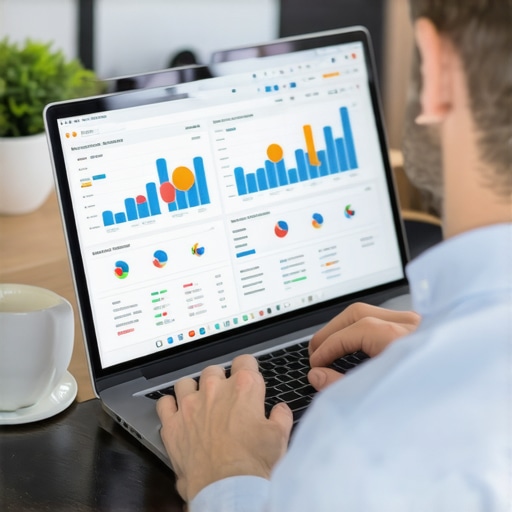
One of the most eye-opening lessons I’ve learned is that local SEO isn’t a one-and-done task; it’s a continuous journey of refinement and adaptation. Early on, I believed that claiming my Google My Business listing was enough, only to realize that algorithms and user behaviors evolve rapidly. That lightbulb moment pushed me to develop a structured routine—consistent reviews, fresh local content, and strategic data audits—that keeps my map rankings resilient. I’ve also discovered that investing in community partnerships and authentic visuals builds trust and media signals that Google rewards. Another insight was that advanced tactics like schema markup and local backlink strategies boost visibility beyond basic optimization, especially in competitive markets like Bakersfield. Most importantly, I learned to listen—analyzing performance metrics and adjusting tactics proactively ensures sustained growth. If you want your local map standings to thrive in 2026, remember: staying ahead means embracing innovation and relentless execution.
About the Author
Rebecca Nash
Founder and CEO @Mae North - LinkedIn Guatemala
Rebecca Nash is a seasoned entrepreneur and strategic leader with a proven track record in operational excellence and content
Comments are closed.